
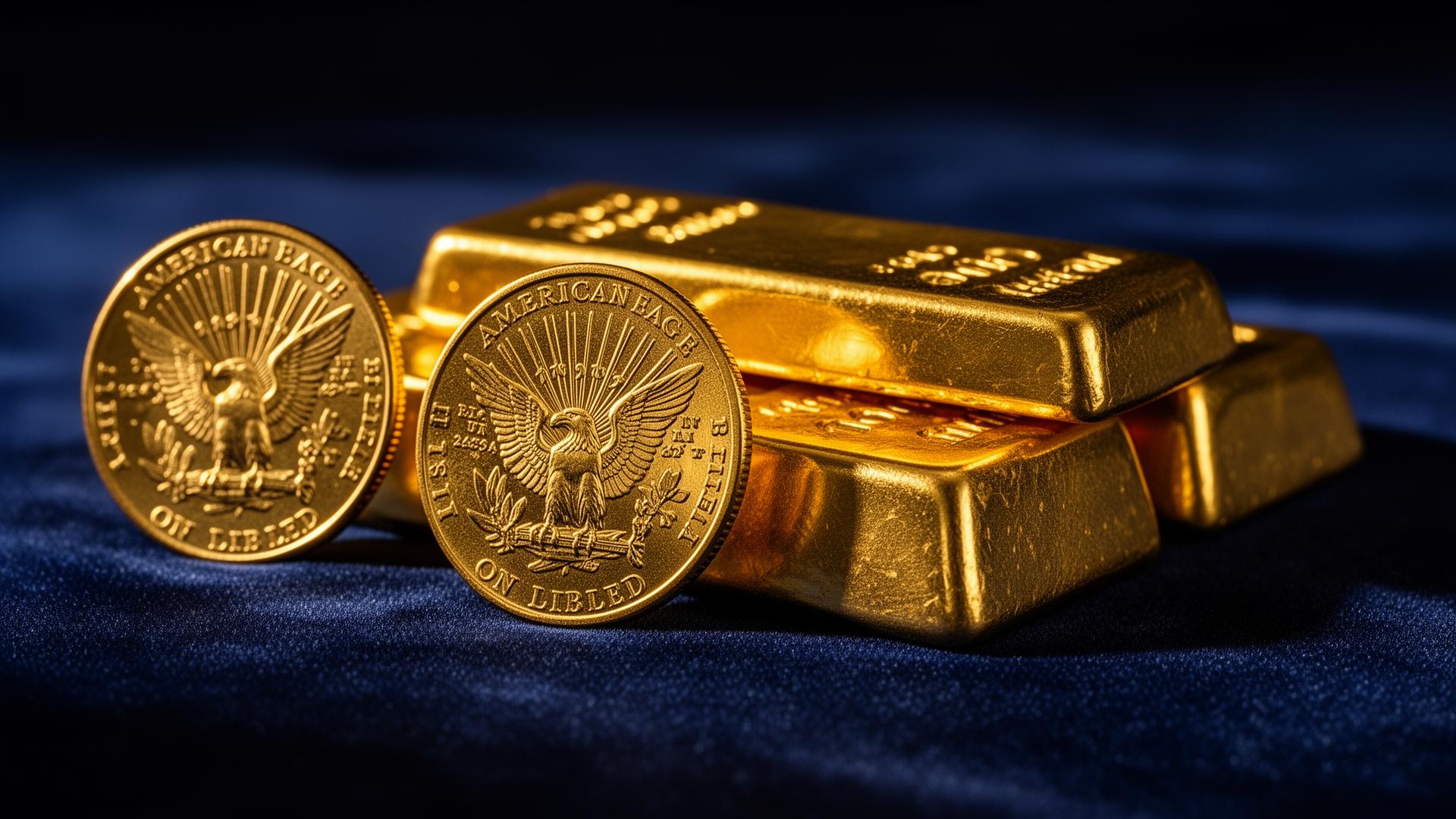
Selling coins can be a significant financial decision, especially if you own rare, collectible, or historical pieces. Whether you are a seasoned collector or someone who inherited a coin collection, finding the right coin buyers is essential to getting a fair price. Not all buyers operate with the same level of transparency, expertise, or fairness. Asking the right questions before selling helps you avoid scams, undervaluation, and unnecessary stress. This guide explores the most important questions you should ask before selling your coins.
1. What Is the Current Market Value of My Coins?
Before approaching any coin buyers, it is wise to understand the approximate market value of your coins. Coin prices fluctuate depending on rarity, demand, and condition. Researching similar coins online or consulting price guides can give you a starting point.
Professional buyers should be willing to explain how they determine their offers. If a buyer gives a price without explaining the valuation process, it may be a warning sign. Knowing the market value helps you negotiate confidently and ensures you are not underpaid.
2. Do You Have Experience With My Type of Coins?
Different buyers specialize in different categories of coins. Some focus on antique coins, while others deal with modern collectibles or international currency.
Ask the buyer whether they have experience handling the specific type of coins you are selling. Experienced buyers usually understand grading systems, historical significance, and market demand. This knowledge often results in more accurate pricing.
3. How Do You Determine the Price?
Understanding the pricing method used by coin buyers is extremely important. Reputable buyers usually evaluate coins based on several factors, including rarity, condition, age, metal content, and collector demand.
Some buyers may offer a quick estimate without proper inspection. This is often a red flag. Professional evaluation usually involves careful examination under proper lighting and sometimes using specialized tools.
Always ask whether the price offered is negotiable. Some buyers provide fixed offers, while others are open to discussion.
4. Is the Evaluation Free?
Many reliable coin Tampa Coin Buyers offer free evaluation services. However, some may charge inspection or authentication fees.
Before handing over your coins, clarify whether there are any hidden charges. Ask whether you will be required to pay if you decide not to sell after the evaluation. Transparent buyers will clearly explain their fee structure.
5. Can You Provide Documentation?
If you are selling valuable or rare coins, documentation is important. Professional buyers should be able to provide written proof of transaction details.
Ask whether you will receive a receipt, certificate, or sale agreement. Documentation protects both the seller and the buyer. It is especially important when selling high-value collections.
6. How Long Does the Buying Process Take?
The selling timeline may vary depending on the buyer’s business model. Some transactions are completed within a single day, while others may require verification processes.
Ask about the expected processing time. If you need quick cash, choose buyers who can complete the transaction promptly. However, avoid rushing if your coins are valuable and require proper evaluation.
7. Do You Buy All Types of Coins?
Not all coin buyers purchase every type of coin. Some specialize in specific metals, historical periods, or collectible categories.
Ask whether the buyer is interested in your entire collection or only selected pieces. This helps you avoid wasting time visiting buyers who are not interested in your coins.
8. What Payment Methods Do You Offer?
Payment security is extremely important when selling valuable assets. Reliable coin buyers usually provide multiple payment options.
Common payment methods include bank transfers, cash payments, or digital payment systems. Always confirm the payment method before finalizing the deal. Avoid buyers who hesitate to explain their payment process.
9. Are You Licensed or Registered?
Legitimate coin buyers often operate under business licenses or professional registrations. Asking about licensing can help you verify the authenticity of the buyer.
Although not all small dealers are formally registered, professional businesses usually have legal documentation. This is especially important when selling expensive or rare collections.
10. Will My Coins Be Authenticated?
Authentication is crucial if you are selling rare or high-value coins. Counterfeit coins exist in the market, and professional buyers usually have methods to verify authenticity.
Ask whether the buyer performs authentication testing. If authentication is required, inquire about the process and whether it affects the final price.
2. Do You Have Experience With My Type of Coins?
0
Some sellers want to sell only selected coins, while others prefer selling their complete collection.
Ask whether the buyer is interested in buying individual pieces. Sometimes selling rare coins separately can generate higher profit compared to selling everything together.
2. Do You Have Experience With My Type of Coins?
1
You should always know your options if you decide not to sell. Reputable coin buyers will return your coins without any pressure or hidden conditions.
Avoid buyers who use aggressive tactics or force you to accept an offer immediately. Take your time to evaluate the proposal.
2. Do You Have Experience With My Type of Coins?
2
It is always wise to consult more than one buyer before making a final decision. Different buyers may offer different prices based on their assessment.
Comparing offers helps you determine the true market value of your coins. If one buyer offers significantly lower prices than others, investigate the reason before selling.
2. Do You Have Experience With My Type of Coins?
3
If your collection includes rare or historically significant pieces, make sure the buyer has expertise in this area.
Rare coins require specialized knowledge for accurate pricing. Some buyers focus mainly on common coins and may undervalue rare collectibles.
2. Do You Have Experience With My Type of Coins?
4
Reputation is one of the most important factors when choosing coin buyers. Check online reviews, customer feedback, and recommendations from other collectors.
A strong reputation usually indicates fair pricing and professional behavior. Avoid buyers with consistent complaints about pricing or service quality.
2. Do You Have Experience With My Type of Coins?
5
Selling coins can be profitable if you choose the right buyer and ask the right questions. Understanding market value, pricing methods, payment security, and buyer experience can protect you from unfair deals.
Always take your time before selling your collection. Research multiple coin buyers, compare offers, and ensure that the transaction is transparent. By asking the essential questions discussed above, you can confidently sell your coins while maximizing your financial return.
Whether your collection is large or small, knowledge is the most powerful tool when dealing with coin buyers. Make informed decisions, stay patient, and choose buyers who value your coins fairly.