
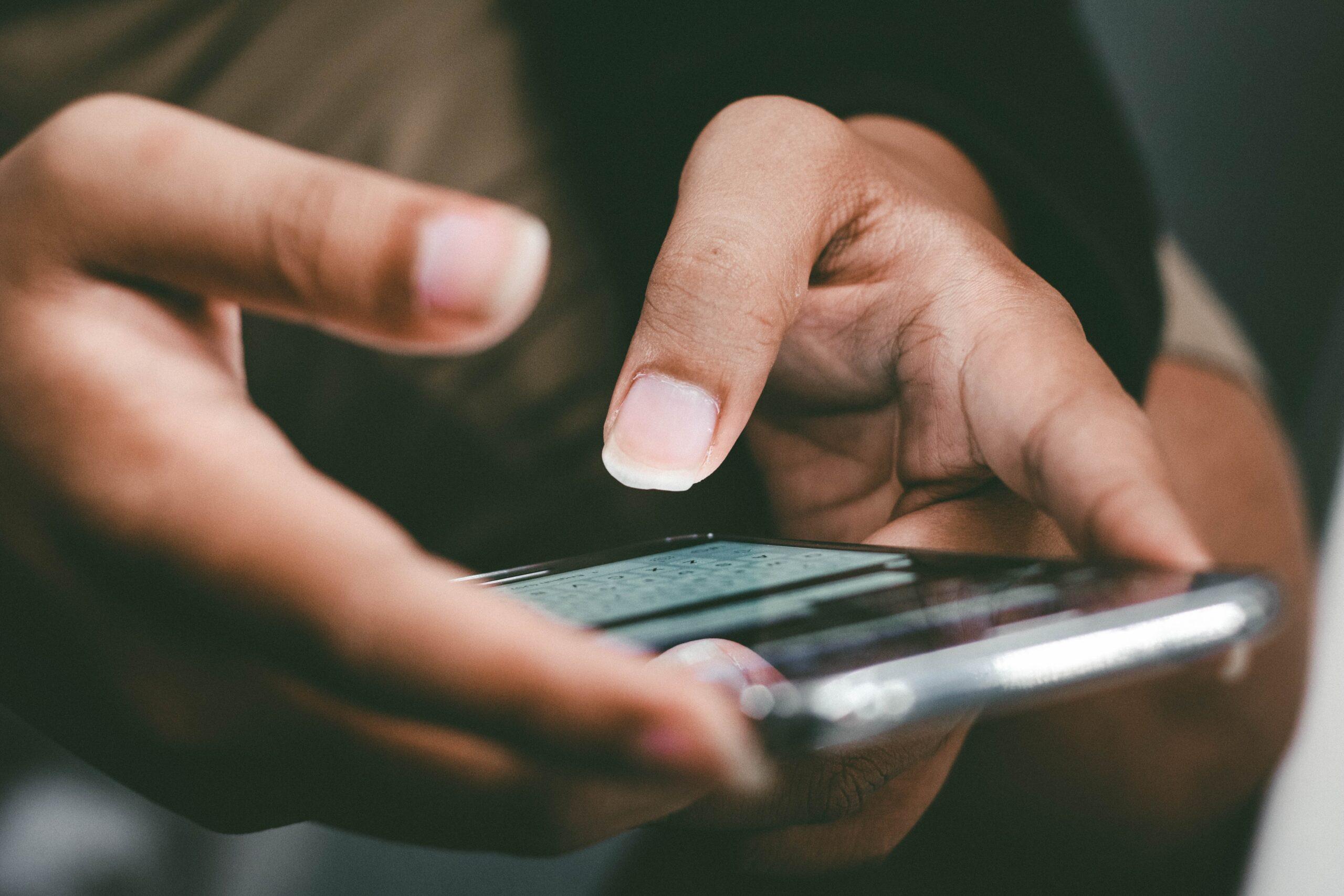
You're likely no stranger to the importance of building strong customer relationships. But in today's digital landscape, it's easier said than done. That's where SMS comes in – a powerful, yet often underutilized, tool for creating meaningful connections with your customers. By sending personalized, timely, and relevant messages, you can build trust and foster a sense of familiarity that sets you apart from the competition. But what does it take to craft messages that truly resonate with your audience, and how can you use SMS to stay ahead of the game?
Unlocking the Power of SMS
You're likely no stranger to the humble SMS, having sent and received countless texts to friends, family, and even businesses.
But when it comes to using SMS for customer engagement, you might be surprised at its potential. SMS is an incredibly effective way to reach your customers, with open rates as high as 98%. That's significantly higher than email open rates, which average around 20%.
You can use SMS to send important updates, like shipping notifications or appointment reminders, and even to offer exclusive promotions or discounts.
Because SMS is a more personal and intimate channel than email, you can also use it to gather feedback or conduct surveys. And, with the average person checking their phone over 150 times a day, you can be sure your message will be seen quickly Swedish companies.
Building Trust With Personalized Messages
By harnessing the power of SMS, you can create a sense of familiarity and build trust with your customers.
Personalized messages are key to achieving this. When you address your customers by name, reference their previous interactions, or tailor your content to their interests, you show them you're invested in their unique needs.
This attention to detail helps break down barriers and establishes a connection that feels more human.
To take it a step further, use customer data to craft messages that are relevant and timely.
For instance, if a customer has abandoned their cart, send a reminder with a personalized offer to encourage them to complete their purchase.
This kind of thoughtful communication demonstrates your commitment to their satisfaction and helps build trust.
Timing Is Everything in SMS
The timing of your SMS messages can significantly impact how they're received by your customers.
You've crafted a personalized message, but if you send it at the wrong time, it might fall flat. Consider the customer's journey and when they're most likely to engage with your brand. For instance, if you're a retailer, sending a reminder about an abandoned cart during peak shopping hours can be effective.
On the other hand, sending a promotional message during a customer's typical downtime, like late at night or early in the morning, might be seen as intrusive.
You should also consider the frequency of your messages. Bombarding customers with multiple texts in a short span can lead to fatigue and opt-outs.
Space out your messages to keep the conversation flowing naturally. Additionally, be mindful of time zones and avoid sending messages during unusual hours.
Leveraging SMS for Customer Insights
In today's digital landscape, customer insights are crucial for businesses to stay ahead of the competition, and SMS can be a valuable tool in gathering these insights.
You can use SMS to collect feedback from customers, which helps you understand their needs, preferences, and pain points.
By sending surveys or polls via SMS, you can gather quantitative data that provides actionable insights.
Additionally, you can use SMS to ask open-ended questions, allowing customers to share their thoughts and opinions in their own words.
Measuring the Success of SMS Campaigns
Track your progress to maximize your SMS campaign's impact. You've invested time and resources into crafting compelling messages, so it's essential to measure their effectiveness.
By monitoring your campaign's performance, you'll identify areas for improvement and optimize future communications.
Start by setting clear goals for your SMS campaigns. What do you want to achieve?
Is it increasing conversions, improving engagement, or driving sales? Once you've established your objectives, you can track key performance indicators (KPIs) such as open rates, click-through rates, conversion rates, and return on investment (ROI).
Use analytics tools to collect and analyze data on your SMS campaigns.
This will help you understand how customers are interacting with your messages and identify trends.
You can also conduct A/B testing to compare different message variations and determine which ones resonate best with your audience.
Conclusion
You've harnessed the power of SMS to create meaningful customer connections. By crafting personalized, timely, and relevant messages, you've built trust and fostered a sense of familiarity. You've also gathered valuable customer insights, staying ahead of the competition. Now, measure the success of your SMS campaigns and continually refine your approach. With SMS, you're empowered to drive action, deepen relationships, and propel your business forward.