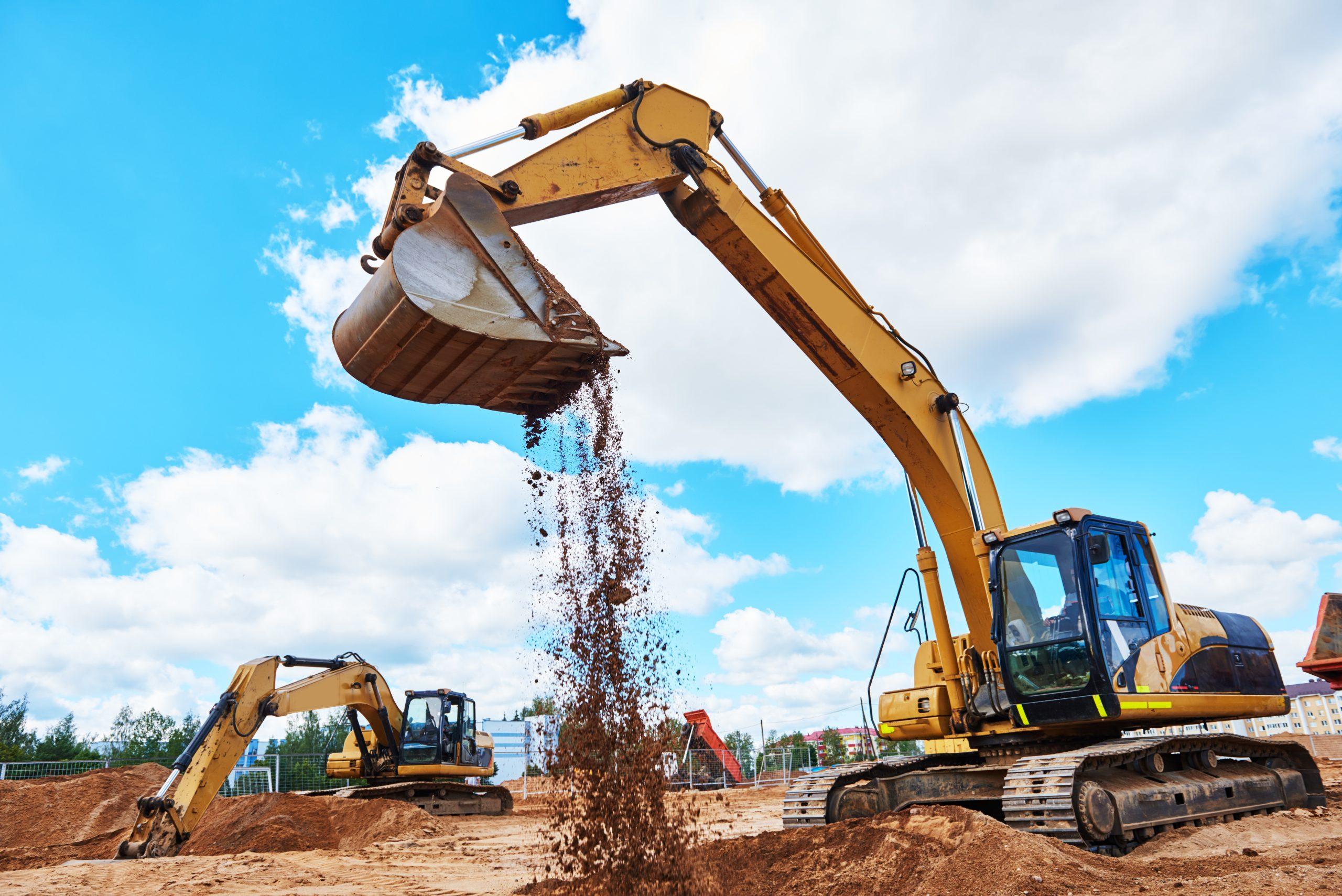
When you’re in the market for a new excavator, it’s essential to approach the purchase strategically to get the best deal. You’ll want to start by defining your needs and researching the market to compare prices and features of different models and brands. But that’s just the beginning – there are several other crucial steps to take to ensure you’re getting the right machine at the right price. What are the key factors to consider when inspecting an excavator, and how can you negotiate the best deal with a dealer? excavator financing.
Define Your Excavator Needs
Your excavation project’s success hinges on choosing the right excavator, and that process begins with defining your needs.
You can’t just walk into a dealer’s yard and pick an excavator without knowing what you need it to do. Take some time to think about your project’s requirements.
What’s the terrain like? Will you be working in tight spaces or open areas? What’s the weight and size of the materials you’ll be moving? Do you need to dig deep or just scrape the surface?
Answering these questions will help you determine the excavator’s size, type, and features you need.
Consider the frequency of use, too. If you’ll be using the excavator daily, you’ll want one built for heavy-duty use.
If it’s just for occasional projects, a smaller, more affordable option might be sufficient. You should also think about the attachments you’ll need, such as buckets, breakers, or augers.
Knowing exactly what you need will help you narrow down your options and ensure you get an excavator that meets your project’s demands.
Research the Market Thoroughly
With your excavator needs clearly defined, it’s time to delve into the market and explore your options.
You’ll want to research different types of excavators, such as wheeled, tracked, or mini excavators, to determine which one best fits your requirements. Look into various brands, like Caterpillar, Komatsu, and Hitachi, and compare their features, specifications, and prices.
You can find this information on manufacturers’ websites, online marketplaces, or equipment dealer websites.
You should also read reviews and testimonials from other customers who’ve purchased the same or similar excavators. This will give you an idea of the machine’s performance, reliability, and any potential issues.
Additionally, check if the excavator meets local regulations and safety standards. Make a list of potential models that meet your needs, and prioritize them based on factors like price, features, and availability.
Inspect Before You Buy
Now that you’ve narrowed down your options, it’s time to get up close and personal with your top choices.
Inspecting an excavator before buying is crucial to ensure you’re getting a good deal. Start by checking the exterior for signs of wear, rust, or damage.
Look for any cracks in the glass, broken lights, or worn-out tracks. Check the hydraulic system, including the hoses, cylinders, and pumps, for any leaks or damage.
Next, inspect the engine and transmission. Check the oil levels, look for any leaks, and check the condition of the belts and hoses.
Take a closer look at the undercarriage, including the tracks, rollers, and idlers, for any signs of wear or damage. Finally, take the excavator for a test run to ensure it’s functioning properly.
Pay attention to any unusual noises, vibrations, or performance issues. By inspecting the excavator thoroughly, you’ll be able to identify any potential problems and negotiate a better price or walk away from a bad deal.
Compare Prices and Dealers
Transparency is key when comparing prices and dealers, and it’s essential to do your due diligence to ensure you’re getting the best deal.
When researching excavator prices, you’ll likely come across varying quotes from different dealers. Don’t be afraid to ask questions and request detailed breakdowns of the costs involved. Be sure to compare apples to apples, considering factors like the machine’s specifications, features, and warranty.
Create a spreadsheet to organize your findings, making it easier to visualize the differences between each option.
You should also research the dealers themselves, checking their reputation, customer reviews, and after-sales support. A reputable dealer may charge a bit more, but they’ll often provide better service and maintenance in the long run.
Negotiate the Best Deal
You’ve narrowed down your options and have a clear understanding of the market prices and dealer reputations.
Now it’s time to negotiate the best deal. Don’t be afraid to walk away if the dealer isn’t willing to meet your price. This shows you’re not desperate, and they may be more willing to compromise.
Be respectful and professional, but firm in your negotiations. If you’re buying from a private seller, you may have more room for negotiation than with a dealer.
Make sure to inspect the excavator thoroughly and point out any flaws or needed repairs to justify a lower price. Consider trading in your old equipment or offering to pay cash upfront to sweeten the deal.
Don’t fall for extras like extended warranties or maintenance plans unless you’re sure you need them. Keep your focus on the purchase price and financing terms.
With persistence and patience, you can negotiate a deal that meets your needs and budget.
Conclusion
You’ve done your research, inspected the excavator, and compared prices. Now, it’s time to seal the deal. Don’t be afraid to walk away if the price isn’t right – it’s a powerful negotiating tool. Highlight any flaws, trade in old equipment, or offer cash upfront to get the best deal. Remember, the more you know, the more you’ll save. Stay firm, and you’ll drive away in your new excavator, feeling confident you got the best deal possible.