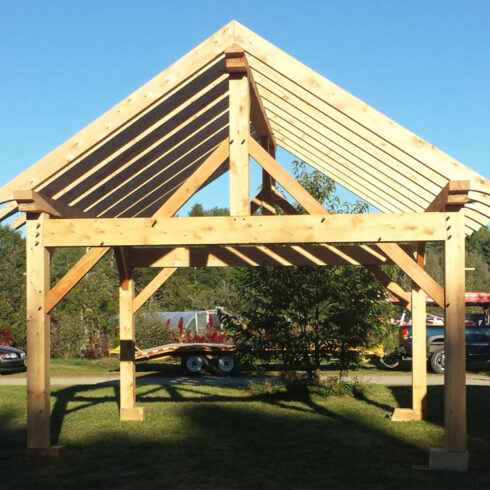
As you venture into the world of timber framing, you'll encounter a range of techniques that'll help you create stunning structures with precision and style. From traditional jointing methods that have stood the test of time to modern connection systems that prioritize ease and versatility, the options are vast. You'll discover how post and beam construction can provide a simple yet sturdy framework, and how scribe fitting techniques can eliminate the need for metal fasteners. But that's just the beginning – there's more to explore, and understanding these common timber framing techniques will unlock a world of possibilities for your next project.
Traditional Jointing Methods
Traditional jointing methods have been the backbone of timber framing for centuries, and mastering these techniques is essential for creating strong, durable structures.
You'll find that traditional jointing methods rely on the use of mortise and tenon, dovetail, and scarph joints to connect timber frames. These joints are designed to withstand heavy loads and harsh weather conditions, making them ideal for building long-lasting structures.
As you work with traditional jointing methods, you'll need to develop your skills in cutting and fitting joints accurately.
This requires patience, attention to detail, and a good understanding of the properties of wood. You'll also need to choose the right type of wood for your project, considering factors like strength, durability, and workability.
Modern Connection Systems
As you move beyond traditional jointing methods, you'll find that modern connection systems offer a range of innovative solutions for connecting timber frames.
These systems prioritize strength, durability, and ease of assembly, making them ideal for complex and large-scale projects. Modern connection systems often incorporate steel components, such as brackets, plates, and screws, which provide added strength and stability to the timber frame.
You'll find that many modern connection systems are designed to be versatile, allowing for a range of timber sizes and shapes to be used.
This flexibility makes it easier to accommodate unique design requirements and site-specific constraints. Additionally, modern connection systems can reduce the need for on-site cutting and fitting, saving you time and labor costs.
Some popular modern connection systems include the use of concealed screws, which provide a clean and minimalist aesthetic, and advanced bracket systems that can be customized to meet specific project needs.
Post and Beam Construction
You're likely familiar with post and beam construction, a fundamental technique in timber framing that involves using vertical posts and horizontal beams to create the structural framework of a building.
This technique is often used in traditional timber framing and is still popular today due to its simplicity, strength, and aesthetic appeal.
In post and beam construction, the vertical posts typically bear the weight of the building, while the horizontal beams provide additional support and help to distribute the load.
The posts and beams are usually connected using traditional mortise and tenon joints, which provide a strong and rigid connection.
You'll often see post and beam construction used in barns, houses, and other structures where a rustic, natural look is desired.
When done correctly, post and beam construction can create a beautiful and sturdy structure that will last for generations.
Scribe Fitting Techniques
Building on the strength and simplicity of post and beam construction, scribe fitting techniques take timber framing to the next level by allowing for precise, custom connections between timbers.
You'll use a scribe to create a template of one timber's shape, then transfer that shape to the adjoining timber. This technique ensures a snug, accurate fit that eliminates the need for metal fasteners or complex joinery.
To scribe a fitting, you'll typically start by cutting a rough shape on the receiving timber.
Then, you'll use a scribe or a pattern maker's knife to refine the shape, creating a precise template of the adjoining timber's profile. Once you've transferred the shape to the receiving timber, you'll make any necessary adjustments before cutting the final fit.
Scribe fitting techniques offer flexibility and precision, making them ideal for complex or curved connections.
Decorative Timber Accents
Rough-hewn beams, adorned with elegant curves and subtle nuances, can elevate a timber frame structure from functional to breathtaking.
You can incorporate decorative timber accents into your design to add visual interest and create a unique aesthetic. One popular technique is to use carved wooden brackets, which can be custom-designed to fit your project's style.
You can also add ornate trusses, featuring intricate patterns and shapes that draw the eye upward. Another option is to incorporate decorative knee braces, which can be curved or angled to add visual appeal.
Additionally, you can use chamfered or rounded edges on your beams to create a softer, more refined look. By incorporating these decorative timber accents, you can take your timber frame structure from ordinary to extraordinary.
Remember to balance your design elements to avoid overwhelming the space, and don't be afraid to experiment with different styles and techniques to create a truly unique look.
Conclusion
You've now got a solid grasp of the common timber framing techniques that'll help you bring your project to life. From traditional jointing methods that exude classic charm to modern connection systems that prioritize ease and versatility, you've got options. Post and beam construction offers simplicity and strength, while scribe fitting techniques ensure precise connections without metal fasteners. Finally, decorative timber accents add a touch of elegance. With these techniques under your belt, you're ready to create a post and beam kits structure that's both functional and stunning.