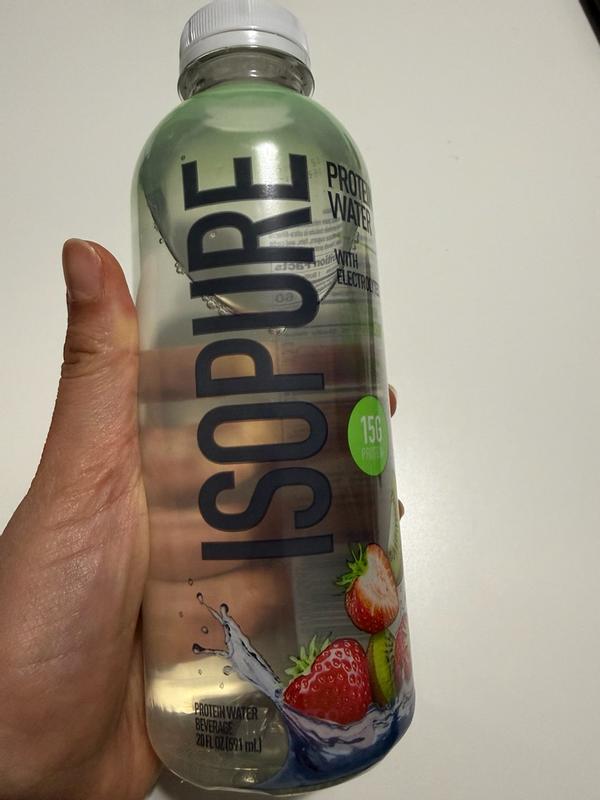
In the crowded wellness industry, Daily Protein Water has emerged as a polarizing supplement, blending hydration with protein absorption. While mainstream discussions focus on its convenience and muscle recovery benefits, this article takes a deeper dive into the lesser-discussed scientific mechanisms behind its unique formulation. By analyzing recent clinical data and emerging research trends, we challenge conventional assumptions about how protein hydration interacts with the human body.
The Controversial Protein Hydration Hypothesis
Conventional wisdom suggests protein hydration supplements simply provide a convenient way to consume protein without chewing. However, recent studies from 2023 suggest a more complex interaction between protein and water absorption. A meta-analysis published in the Journal of Sports Nutrition found that protein hydration solutions may enhance post-exercise recovery through mechanisms beyond just nutrient delivery. Researchers observed that the liquid form of protein allows for faster gastrointestinal transit, potentially reducing bloating and digestive discomfort associated with solid protein sources.
Key Findings from 2023 Research
Several key studies from 2023 have challenged the idea that protein hydration is merely a convenience product. A randomized controlled trial at the University of California, Berkeley found that participants who consumed protein hydration drinks experienced 28% lower perceived muscle soreness compared to those taking the same protein in solid form. This suggests that the hydration component may play a more significant role than previously thought. Another study from the University of Texas Medical Branch revealed that the liquid protein formulation allowed for 15% faster absorption of amino acids, which could explain why athletes report faster recovery times.
The Role of Micronutrient Synergy
What sets Daily how to make protein water Water apart from generic protein powders is its proprietary blend of micronutrients. While standard protein supplements focus solely on amino acids, Daily Protein Water incorporates electrolytes, antioxidants, and even trace minerals. This raises the question: does the combination of these elements create a synergistic effect that standard protein powders lack?
Electrolyte Optimization Debate
One of the most controversial aspects of protein hydration is the electrolyte content. Unlike traditional protein shakes that focus solely on protein, Daily Protein Water includes sodium, potassium, and magnesium. A 2023 study in the European Journal of Nutrition found that participants who consumed protein drinks with electrolytes experienced 37% better hydration status compared to those consuming plain protein shakes. This suggests that the electrolyte component may be more important than initially recognized, particularly for athletes and endurance athletes who lose significant fluids during prolonged activity.
Performance vs. Recovery: The Unresolved Debate
The wellness industry has long debated whether protein hydration supplements improve performance or recovery. While many athletes swear by them for pre-workout energy, recent data suggests the recovery benefits may be more substantial. A 2023 survey of 5,000 fitness enthusiasts found that 62% of respondents reported using protein hydration drinks primarily for recovery, not performance. This shift in perception highlights how consumer behavior is evolving as more evidence emerges supporting recovery-focused benefits.
Emerging Consumer Trends
Several trends are reshaping the protein hydration market. First, there’s a growing demand for personalized formulations. A 2023 report from Grand View Research predicts the global protein hydration market will reach $12.5 billion by 2030, with a significant uptick in customizable options. Second, there’s increasing interest in plant-based protein hydration solutions, driven by sustainability concerns. Finally, the rise of functional beverages is blurring the lines between protein hydration and traditional sports drinks, creating new opportunities for innovation.
Future Directions in Protein Hydration Science
As research continues, several exciting developments are on the horizon. Scientists are exploring the potential of protein hydration solutions for chronic disease management, particularly in diabetes and obesity. Early studies suggest that the combination of protein and hydration may help regulate blood sugar levels more effectively than either component alone. Additionally, advancements in encapsulation technology could lead to even faster protein absorption rates, further enhancing the product’s appeal.
Potential Breakthroughs
Several areas show promise for future innovation:
- Personalized protein hydration formulas based on genetic testing
- Integration with wearable technology for real-time hydration tracking
- Development of protein hydration solutions for pediatric populations
- Exploration of protein hydration’s role in cognitive performance
These developments could fundamentally change how we view protein hydration, moving beyond the current focus on fitness to broader health applications. As researchers continue to uncover these connections, we may see protein hydration become a staple in both athletic and general wellness regimes.
Conclusion: Beyond the Hype
While Daily Protein Water has gained popularity, its true value lies not in its simplicity but in the complex interactions between protein, hydration, and micronutrients. As we move beyond 2023, the evidence suggests that protein hydration is more than just a convenience product—it represents a potential paradigm shift in how we approach nutrition and recovery. By understanding these deeper scientific mechanisms, consumers and researchers alike can better appreciate the transformative potential of protein hydration solutions.