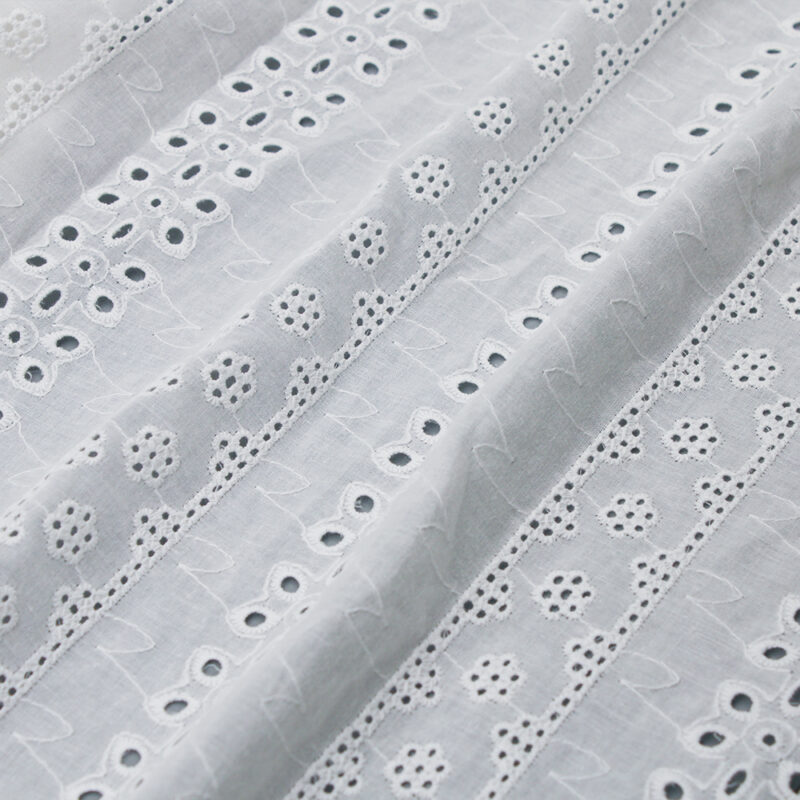
Lace has long been associated with elegance, sophistication, and timeless fashion. From bridal gowns and evening dresses to lingerie, home décor, and accessories, lace fabric remains one of the most sought-after textiles in the fashion industry. Behind every beautiful lace design is a skilled lace fabric manufacturer that combines craftsmanship, advanced technology, and premium materials to produce high-quality fabrics for global markets.
What Does a Lace Fabric Manufacturer Do?
A lace fabric manufacturer specializes in designing, producing, and supp lace fabrics in various styles, materials, and finishes. These manufacturers use advanced weaving, knitting, embroidery, or chemical lace production techniques to create decorative fabrics suitable for multiple applications.
Manufacturers often offer services such as:
- Custom lace design development
- Large-scale fabric production
- Color matching
- Fabric dyeing
- Pattern customization
- Quality testing
- Wholesale supply
- Export services
Their goal is to provide fabrics that combine beauty, comfort, durability, and affordability.
Types of Lace Fabrics Produced
A professional lace fabric manufacturer offers a wide range of lace materials to meet different customer requirements.
Embroidered Lace
Embroidered lace features intricate floral or geometric patterns stitched onto mesh or tulle fabric. It is commonly used for bridal dresses, formal gowns, and luxury apparel.
Cotton Lace
Cotton lace provides a soft and breathable option ideal for casual clothing, children's garments, and vintage-inspired fashion.
Nylon Lace
Nylon lace is lightweight, flexible, and durable, making it popular for lingerie, sportswear, and fashion garments.
Polyester Lace
Polyester lace is wrinkle-resistant, affordable, and easy to maintain. It is widely used for mass-market clothing and decorative textiles.
Stretch Lace
Stretch lace contains elastic fibers that provide flexibility and comfort. It is perfect for undergarments, activewear, and fitted dresses.
Chemical Lace
Chemical lace is produced by embroidering on a dissolvable base fabric, creating intricate standalone lace designs with exceptional detail.
Manufacturing Process
The production of premium lace involves several carefully controlled stages.
Design Creation
Designers create detailed lace patterns using computer-aided design (CAD) software or traditional artwork. These designs determine the appearance, texture, and complexity of the finished fabric.
Material Selection
Manufacturers choose suitable yarns such as cotton, polyester, nylon, rayon, or blended fibers depending on the desired quality and application.
Fabric Production
Depending on the lace type, manufacturers use knitting machines, embroidery machines, weaving equipment, or specialized lace-making machinery to produce the fabric.
Dyeing and Finishing
After production, fabrics undergo dyeing, washing, softening, heat setting, and finishing treatments to improve appearance, texture, and durability.
Cotton Lace
0
Every batch is inspected for consistency, color accuracy, strength, elasticity, and pattern precision before packaging and shipment.
Industries That Use Lace Fabrics
A reliable Wholesale lace fabric fabric manufacturer supplies products to numerous industries.
Common applications include:
- Bridal fashion
- Women's apparel
- Lingerie manufacturing
- Evening wear
- Children's clothing
- Home textiles
- Curtains
- Table decorations
- Fashion accessories
- Footwear
- Costume design
- Luxury fashion brands
Because lace offers versatility and elegance, it remains popular across many product categories.
Benefits of Choosing a Professional Lace Fabric Manufacturer
Working with an experienced manufacturer provides numerous advantages.
Cotton Lace
1
Professional manufacturers use premium raw materials and advanced production equipment to ensure consistent quality.
Cotton Lace
2
Customers can choose from thousands of patterns, colors, textures, and fabric weights suitable for different projects.
Cotton Lace
3
Many manufacturers offer customized lace designs that allow fashion brands to create exclusive collections.
Cotton Lace
4
Bulk production enables manufacturers to provide wholesale pricing without sacrificing quality.
Cotton Lace
5
Large production capacity ensures timely delivery for retailers, garment factories, and international distributors.
Cotton Lace
6
Experienced manufacturers understand textile standards, fashion trends, and production techniques that improve overall product quality.
Qualities of a Good Lace Fabric Manufacturer
Not every supplier offers the same level of service. Before selecting a lace manufacturer, businesses should evaluate several important factors.
Look for manufacturers that provide:
- Years of industry experience
- Modern production facilities
- International quality certifications
- Skilled design teams
- Strong customization capabilities
- Consistent product quality
- Fast delivery schedules
- Excellent customer support
- Competitive pricing
- Sustainable manufacturing practices
A reliable manufacturer becomes a valuable long-term business partner.
Sustainability in Lace Manufacturing
The textile industry continues to adopt environmentally responsible production methods. Many modern lace fabric manufacturers now focus on sustainable manufacturing to reduce environmental impact.
Eco-friendly practices include:
- Using recycled fibers
- Water-saving dyeing processes
- Energy-efficient machinery
- Eco-friendly chemical treatments
- Waste reduction programs
- Responsible sourcing of raw materials
Sustainable lace production helps manufacturers meet growing consumer demand for environmentally friendly fashion.
Emerging Trends in Lace Fabric Production
Fashion trends constantly evolve, encouraging lace manufacturers to innovate.
Popular developments include:
- 3D embroidered lace
- Metallic lace fabrics
- Stretch performance lace
- Floral and botanical patterns
- Minimalist geometric designs
- Sustainable lace collections
- Digital embroidery technology
- Lightweight breathable lace
These innovations allow designers to create modern garments while maintaining the timeless elegance of lace.
Conclusion
A trusted lace fabric manufacturer plays an essential role in the global textile and fashion industries by producing beautiful, durable, and versatile lace fabrics for countless applications. From bridal couture and luxury fashion to home décor and accessories, quality lace enhances the appearance and value of finished products.
When selecting a manufacturer, businesses should prioritize quality, customization options, production capacity, sustainability, and reliable customer service. Partnering with an experienced lace fabric manufacturer ensures consistent fabric quality, competitive pricing, and access to innovative designs that keep pace with modern fashion trends. Whether supp large garment factories or independent designers, professional lace manufacturers continue to shape the future of textile production through craftsmanship, technology, and creative excellence.